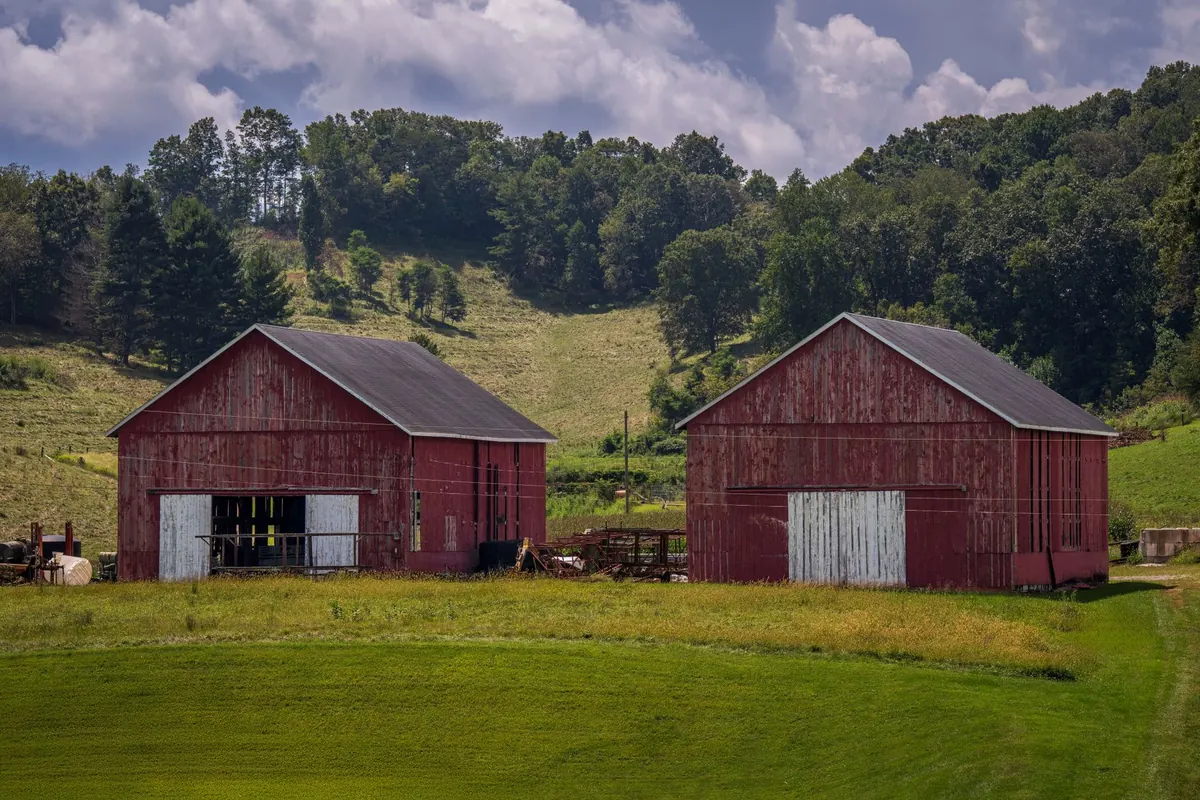
A century-old barn is rarely a simple purchase. The bones might be magnificent — hand-hewn oak posts, hand-cut joinery, a frame that has stood through a hundred winters — while the sills quietly rot into the stone beneath them. Walk a barn with a flashlight, an awl, and a plan, and you'll see past the listing photos: water where it shouldn't be, a roof feeding rot below it, beams holding on longer than anyone realized. Here's what to check, and what it means.
Start Low: Foundation, Sill, and Grade
Work the perimeter first, because everything above depends on what's under it. In most historic barns the frame rests on wooden sills, and the sills rest on stone piers or a continuous stone wall. That's where trouble announces itself.
- Crumbling mortar between stones. Repointing is routine, but the wrong mix makes it worse. Hard, cement-heavy mortar traps moisture and can spall the stone; historic masonry usually wants a soft lime mortar. Ask what was used, and when.
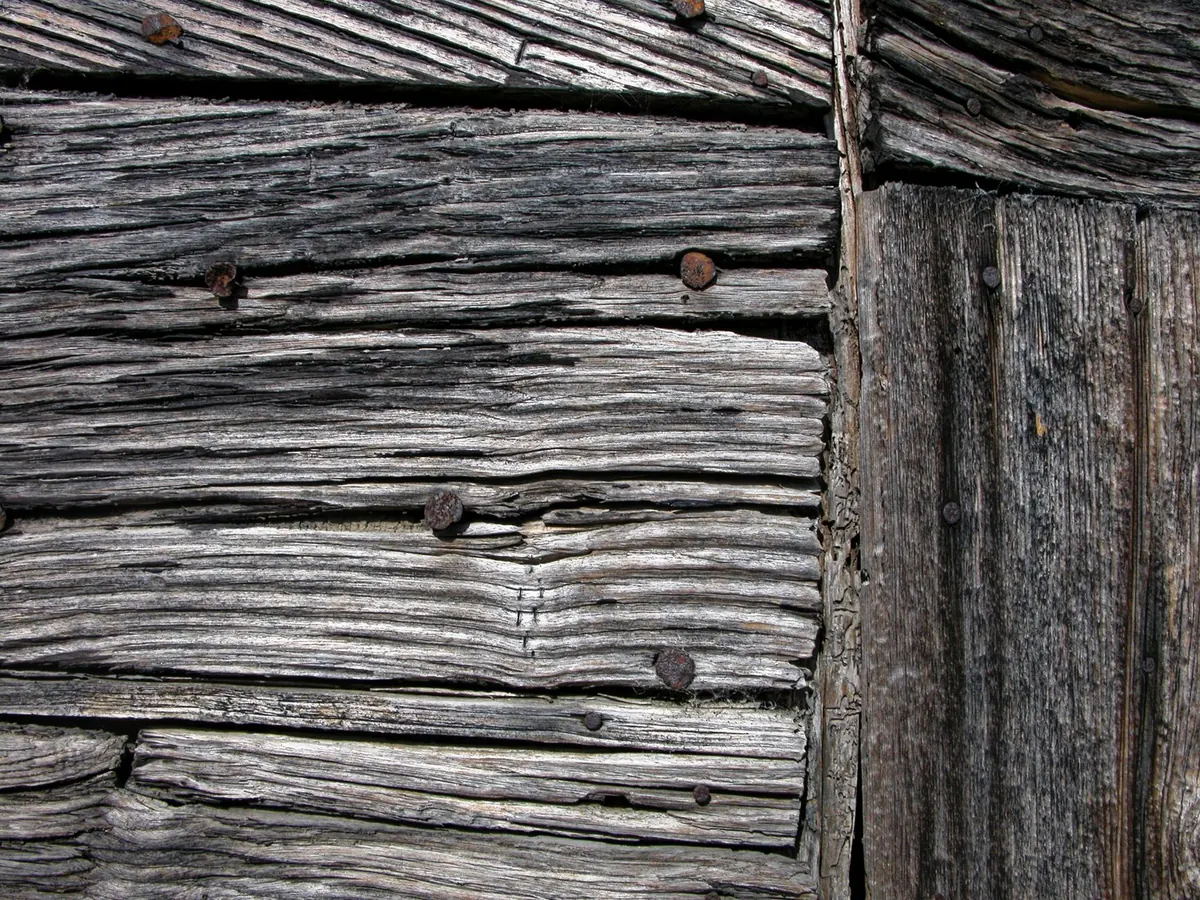
- Sills that give under an awl. Probe every few feet, especially under doors and along the downhill wall. Sound wood resists. Rot lets the tool sink, and the wood will smell sweet and damp.
- Soil piled against the wood. If you can't see several inches of foundation below the sill, that sill is wicking groundwater year after year. Grade should fall away from the barn on every side.
- Cracks that travel. Hairlines in stone are common. A diagonal crack that widens, or piers that have clearly shifted, is a question for an engineer, not a guess.
Read the Frame: Posts, Beams, and Joinery
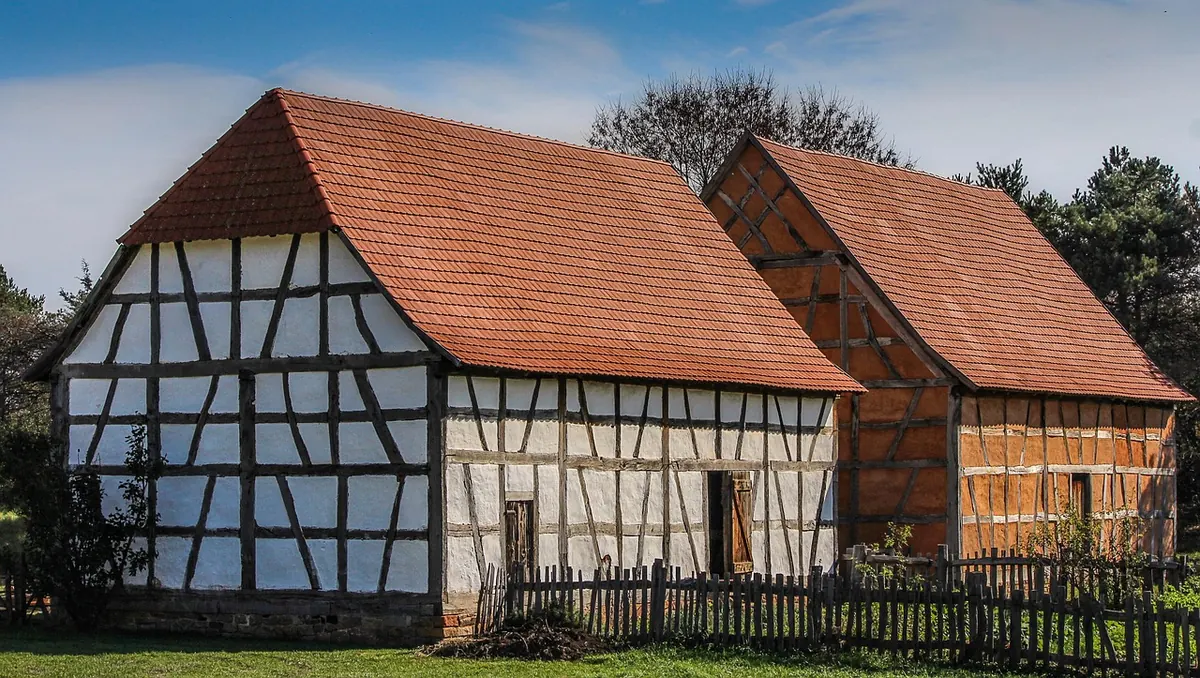
Stand inside and look up. A traditional frame is a set of posts, tie beams, and braces held together with mortise-and-tenon joints and wooden pegs. Those joints tell the story.
Look for gaps where a tenon has pulled out of its mortise, or a beam that has dropped below the line of its neighbors. Fine cracks running along a timber are normal as wood dries; a split through the middle of a joint is not. Probe the base of every post, since posts rot from the bottom up — often behind whatever a previous owner nailed over them.
Be wary of repairs that hide a problem: steel plates bolted across a beam, an added post mid-bay, a splice newer than everything around it. Sometimes those are honest fixes. Sometimes they're the third attempt to stop a beam that keeps dropping. Ask what happened, and when.
Then check plumb. A four-foot level against a post, or a plumb bob dropped from the loft, shows how far the frame has leaned and whether that lean looks old and settled or recent and moving.
Follow the Water: Roof, Rafters, and Ridge Line
Step back fifty feet and study the ridge. It should be straight. A ridge that dips in the middle means rafters, purlins, or the ridge beam are giving way, and that is the most expensive problem a barn can have. Snow country makes it worse.
Inside the loft, look at the underside of the roof deck. Dark stains, streaking, and daylight are all messages. Rafter tails rot at the eaves where water sits, so check them from outside too. On a metal roof, scan for popped screws, rusted fasteners, and loose panels — and ask whether the metal was laid over old wood shingles, because the added weight matters.
Trust Your Nose: Moisture and Ventilation
Damp air is the slow engine behind almost every barn problem. If the place smells musty and close, believe it. Powdery white deposits on the foundation mean water is moving through the masonry. Fuzzy growth on the underside of roof sheathing usually points to condensation from poor ventilation rather than a leak.
Then walk the outside and check the water's exit routes: gutters, downspouts, and the ground around the barn. Ask when the barn last held standing water, and visit after a heavy rain if you can arrange it. Floors should be dry a day or two after a storm; if they aren't, drainage is your first project.
Room-by-Room Quick Pass
Main floor and threshing floor
Check for sagging between the summer beam and the side walls, soft spots in plank flooring, and signs of livestock kept inside. Urine has soaked into old dairy floors for generations, leaving persistent odor and softened wood.
Haymow and loft
Look at the mow floor for sag, the wall girts for bowing, and the tie beams for missing or undersized braces. Roof leaks show up here first.
Stalls, tack room, and lean-tos
These additions often sit on shallower foundations and rot first. Check how the lean-to roof ties into the main frame; a badly flashed junction leaks straight into the wall.
Silo and attached structures
Concrete staves shift, and hoop bands rust. Note whether each structure is bracing the barn or pulling on it.
Bring the Right Tools — and the Right Person
- A bright flashlight and a small mirror for tight corners
- A thin awl or pocket screwdriver for probing wood
- A pin-type moisture meter for sills, posts, and roof decking
- A four-foot level and a plumb bob
- Boots, gloves, and a camera for everything you'll forget
Then hire help. A structural engineer with timber-frame experience, or a barn preservation specialist, costs far less than a mistake. General home inspectors often know houses rather than hand-cut frames, so ask specifically about barn experience before you book.
Weighing What You Find
Most barns have something wrong. The question is which something. Roof and sill failures are expensive but predictable, and there are contractors who do that work. A frame that has dropped, twisted, or lost its joinery is a different conversation, and it deserves an engineer's written assessment before you waive a contingency.
Get one contractor's opinion on the big-ticket items, check local rules for historic structures and permits, and budget a cushion for what you can't see until siding comes off. If the roof, sills, and frame are sound, most other problems are patient work you can spread across years. If they aren't, walk away with your money — there will be another barn.
Structural assessments, permits, and preservation rules vary by place. For anything load-bearing or legally regulated, consult a qualified engineer or your local building office before you commit.
Photo: Mark Stebnicki / Pexels