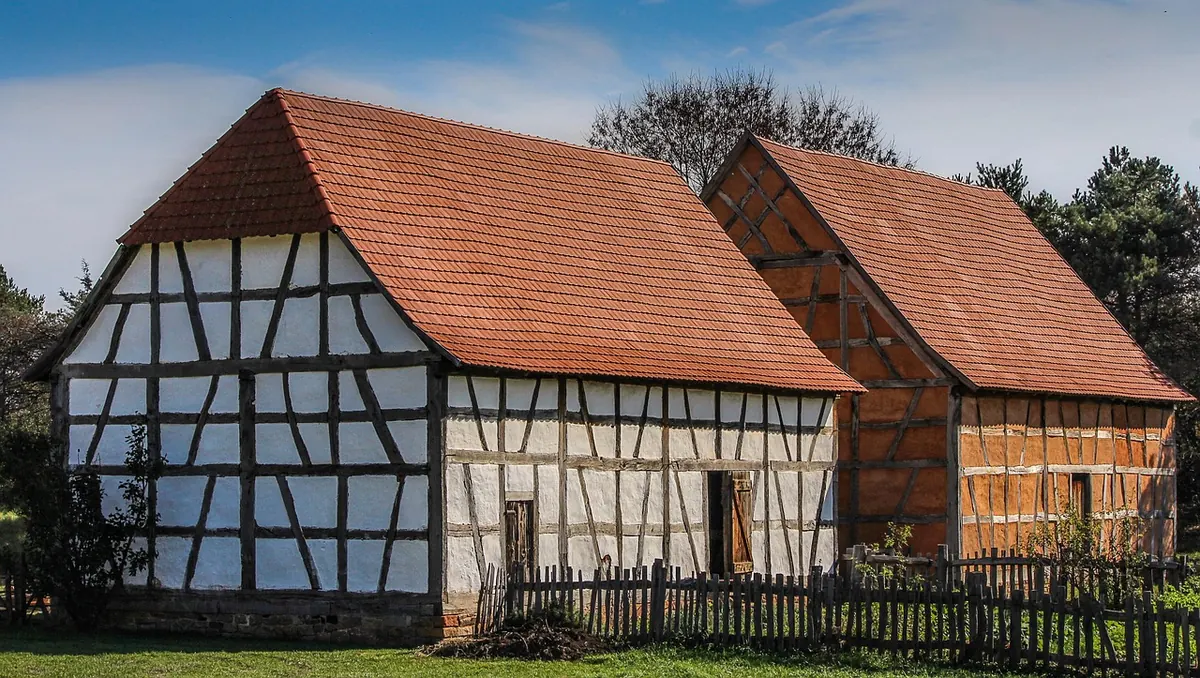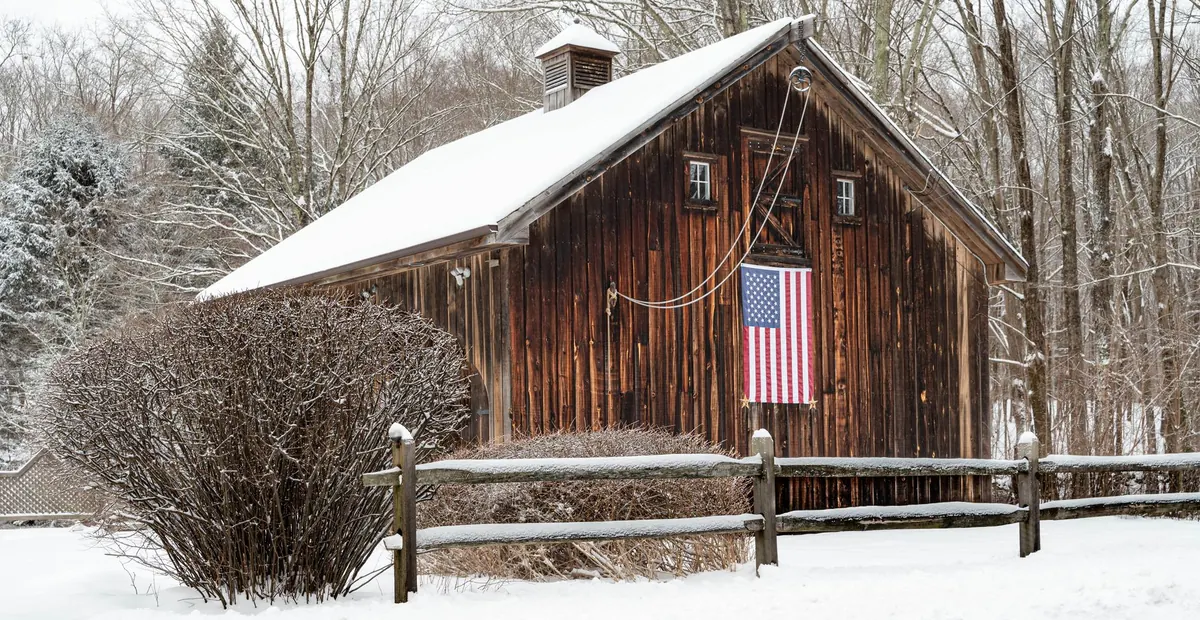
An old barn keeps its own calendar. Rain finds the roof leak before you do. August heat finds the dead pocket of air under the haymow. The first hard freeze finds the gutter you meant to clear. When you inspect at the moment the season is already testing the building, maintenance stops being guesswork. What follows is a working schedule for timber-frame and older barns: what to check in spring, summer, autumn, and winter, and how to keep a record that tells you the difference between a building that is settling and one that is failing.
Spring: The Ground and the Sill
Get outside before the grass hides everything — late March or April in most regions. Walk the perimeter slowly and look down first. Frost heave, fresh cracks in a stone or concrete foundation, and soil piled up against the siding all point to water sitting where it shouldn't. Check that the grade still slopes away from the building. A barn that has drained well for forty years can change in one wet winter when a downspout plugs or a neighbor regrades a driveway.
Then look at the first foot of wood above the masonry. That sill plate is where rot usually starts, because it stays damp longest. Probe it with a small screwdriver in several spots. Soft or crumbly wood means water is reaching it; fix the drainage and the grade first, then deal with the timber. Replacing wood without fixing the source just resets the clock.
Watch a storm, don't guess
Spring rain is free diagnostic work. Stand outside during a steady rain and watch where water actually goes — off the roof, through the gutters, out the downspouts, and across the ground. Splash blocks and short extensions are cheap and prevent the kind of erosion that undermines a foundation corner over a few seasons.
Summer: Roof, Air, and the Dry-Season Reading
Roof inspection is easier from the ground than most people admit. A pair of binoculars will show lifted flashing, rust streaks, missing fasteners, moss along the north slope, and shingles curling at the edges. If you do walk the roof, do it on a dry, calm day, tell someone you're going up, and never step onto a metal roof that has been in full sun. On metal roofs, check the gaskets under the screws and the ridge caps; a backed-out fastener is easier to replace than the sheathing beneath it.
Remember that a leak rarely shows up where it starts. Water running down a beam can drip twenty feet from the actual hole, so trace stains back uphill before you patch.
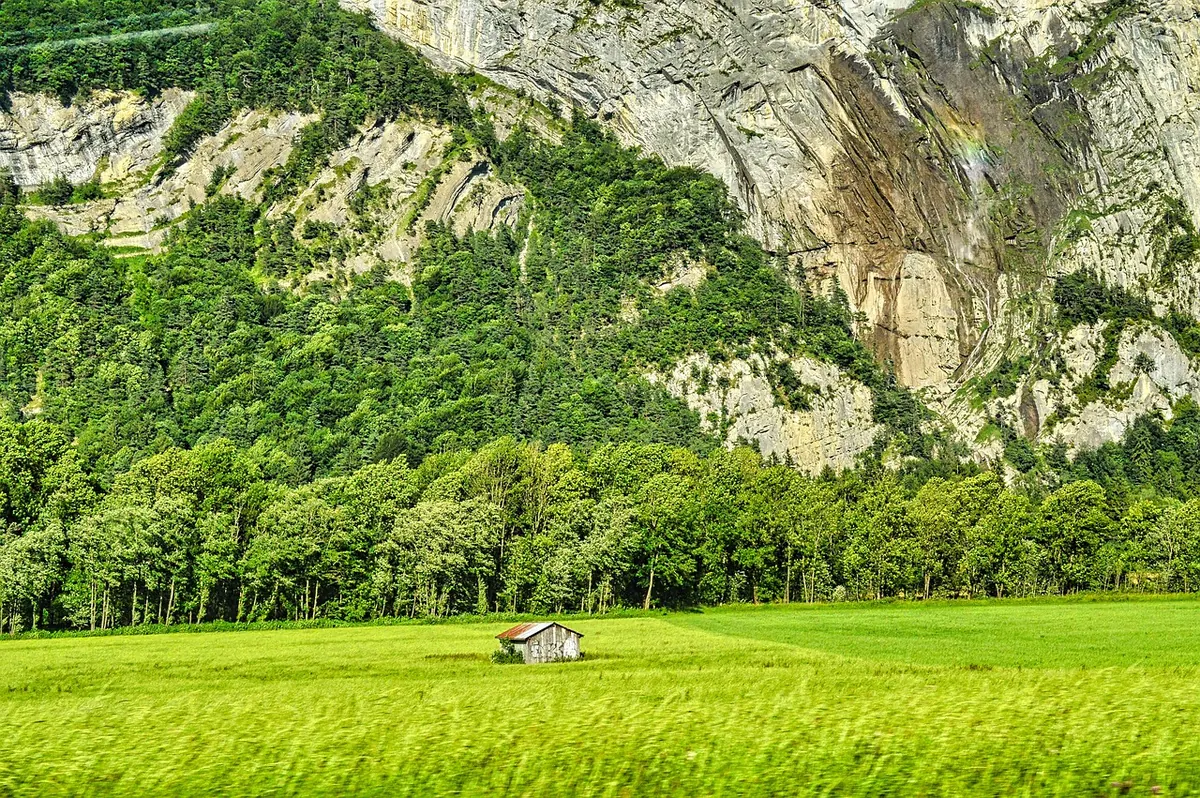
Ventilation matters most in July and August. Open the cupola louvers, gable vents, and hay chute doors so air moves through the building. Clear out wasp nests, old bird nests, and hay chaff that has sifted into vents. A barn that holds hot, humid air in summer is a barn whose roof sheathing rots from underneath.
Measure cracks when they're widest
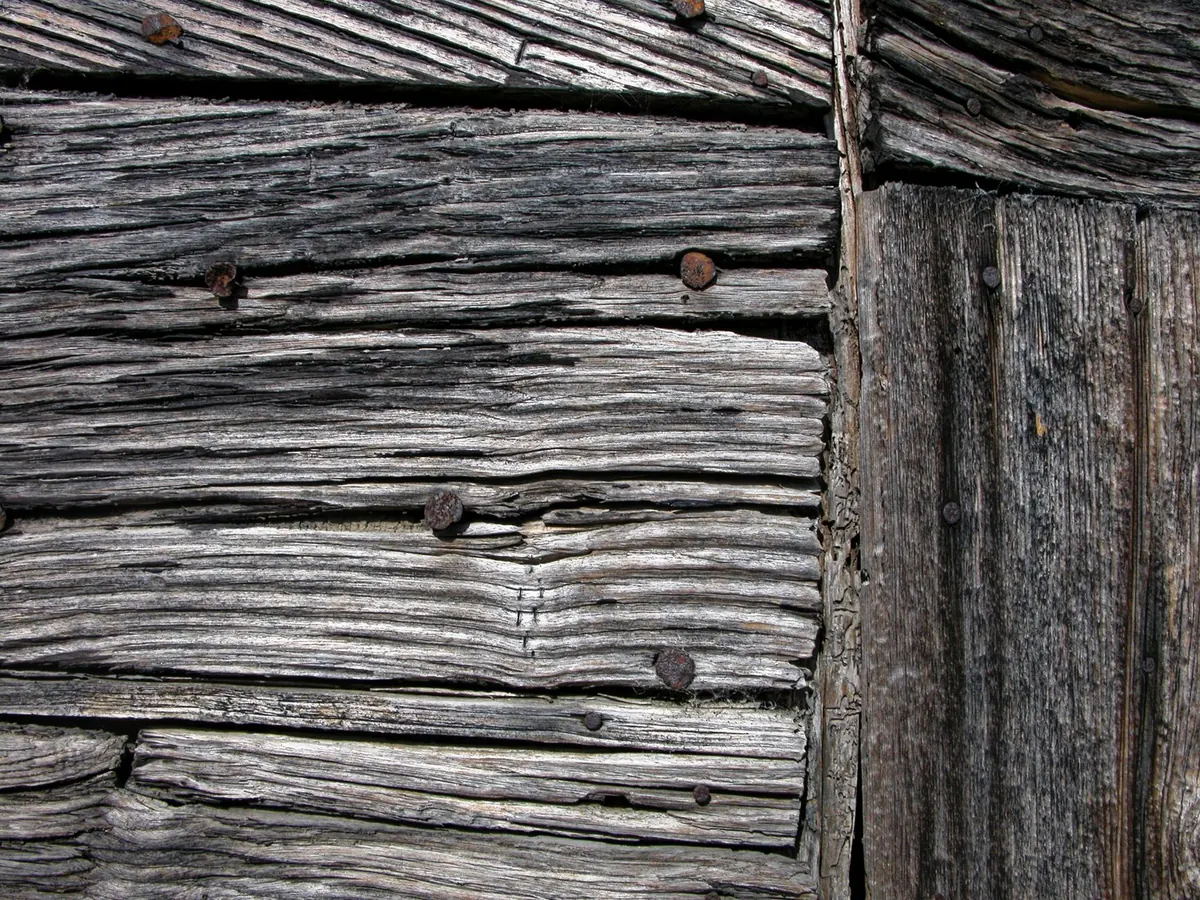
Hot, dry weather shrinks timbers and opens joints, which makes late summer the best time to measure. Note crack widths and photograph the same joints each year. A gap that closes in damp weather and opens in drought is seasonal movement. A gap that keeps growing is something else entirely.
Autumn: Water Away, Pests Out
Wait until the leaves are down, then clean the gutters properly and flush the downspouts with a hose. Check that water discharges well away from the foundation. This is also the season for pest proofing, because rodents are looking for winter quarters before the first cold snap.
- Walk the walls and stuff steel wool or copper mesh into gaps around pipes, vents, and sill joints. Rodents won't chew through either.
- Repair thresholds and door sweeps; a half-inch gap under a sliding door is an open invitation.
- Move grain, feed, and seed into metal bins or sealed containers, never sacks stacked on a dirt floor.
- Look for droppings, chewed bags, tunnels in the floor, and fine sawdust-like frass beneath beams.
- Check window glazing, latches, and door tracks before the cold makes them stiff.
If you find bats or nesting birds, don't seal them in. Get local advice first — many species are protected, and closing off an occupied roost is both cruel and, in many places, against the rules. Your state wildlife agency can tell you what applies where you live.
Winter: Snow Load, Ice, and Movement
After a heavy snow, walk outside and look at the building as a whole. A ridge that sags, a sidewall that bows, or a big door that suddenly won't close all belong in the same category: the structure is telling you something. Watch for new diagonal cracks in masonry or plaster and for posts that have shifted on their footings.
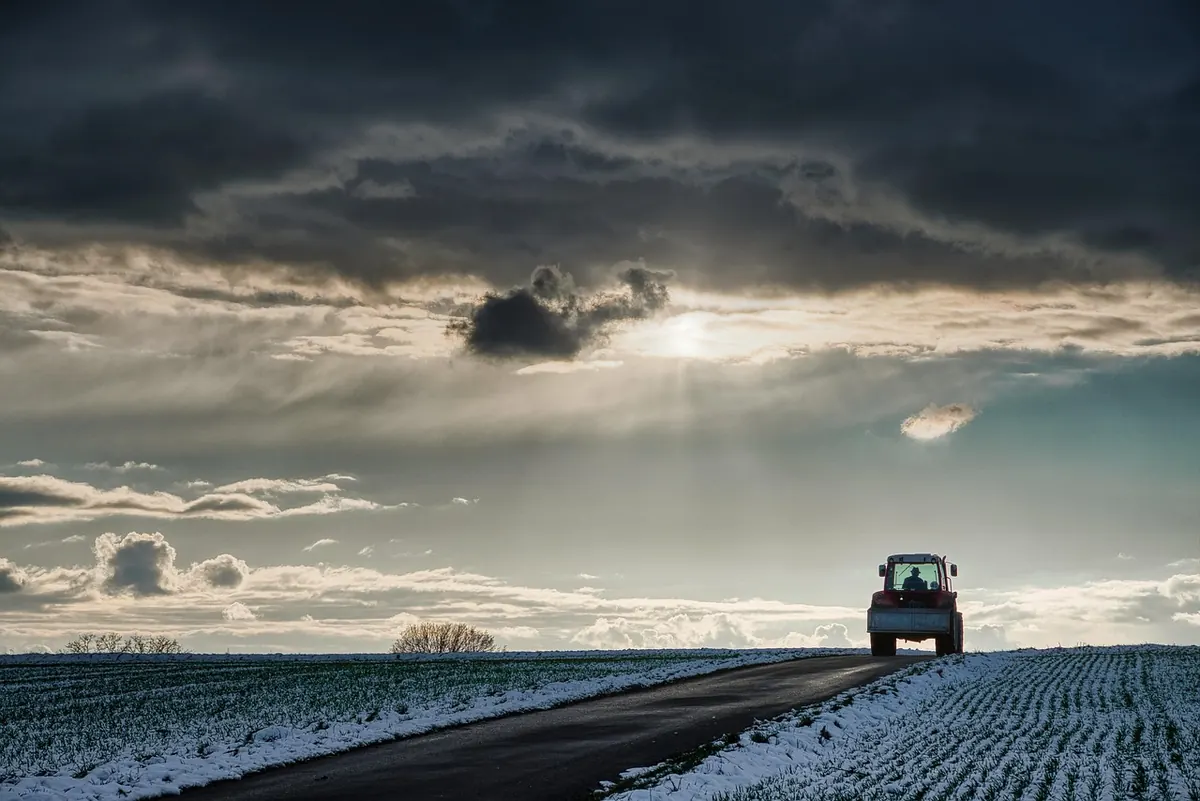
Don't climb an icy roof. Use a roof rake from the ground and stay clear of what comes down. Ice dams at the eaves usually mean warm air is escaping into the attic space and melting snow that refreezes at the cold edge — an insulation and ventilation problem, not just a roofing one. Keep entryways and door tracks clear of ice so you aren't forcing hardware that will crack in the cold.
A Monthly Walkthrough Worth Keeping
Twenty minutes once a month catches almost everything. Do it in the same order every time so nothing gets skipped.
- Walk the perimeter — walls, foundation, grade, and drainage.
- Look up inside and out — ridge, flashing, vents, ceiling stains.
- Listen and smell — new creaks, musty pockets, the sharp smell of rodent urine.
- Check the wet corners — gutters, downspouts, splash areas, sill plates.
- Hunt for pests — droppings, frass, chewed wood, new nests.
- Test the doors — do they close the way they did last month?
- Write the date and what you saw.
Keep a Notebook, Not a Memory
A cheap notebook stored in the barn is the most useful maintenance tool you own. Note the date, what you inspected, what you found, and what you did about it. When you measure crack widths in August, write the numbers down. When a door starts sticking in February, you'll know whether it did the same thing last winter.
That record also tells you when to stop and call someone. Hairline cracks and seasonal movement are normal in old timber. A beam cracked clean through, a wall out of plumb by more than a hand's width, or a foundation corner settling fast is a job for a structural engineer or a contractor who works on timber-frame buildings. Roof work at height and any electrical changes deserve the same honesty about your own limits. The barn has stood this long because someone paid attention. A few hours each season is how you keep that going.
Photo: Jason Sherrod / Pexels